Why we use cookies and other tracking technologies?
Our site enables script (e.g. cookies) that is able to read, store, and write information on your browser and in your device. The information processed by this script includes data relating to you which may include personal identifiers (e.g. IP address and session details) and browsing activity. We use this information for various purposes - e.g. to deliver content, maintain security, enable user choice, improve our sites, and for marketing purposes. You can reject all non-essential processing by choosing to accept only necessary cookies. Cookie policy.
Building for the Future: Why Water Butts Are a Simple Win for Developer SuDS Compliance
S
Written bySave Water Save Money
Published on
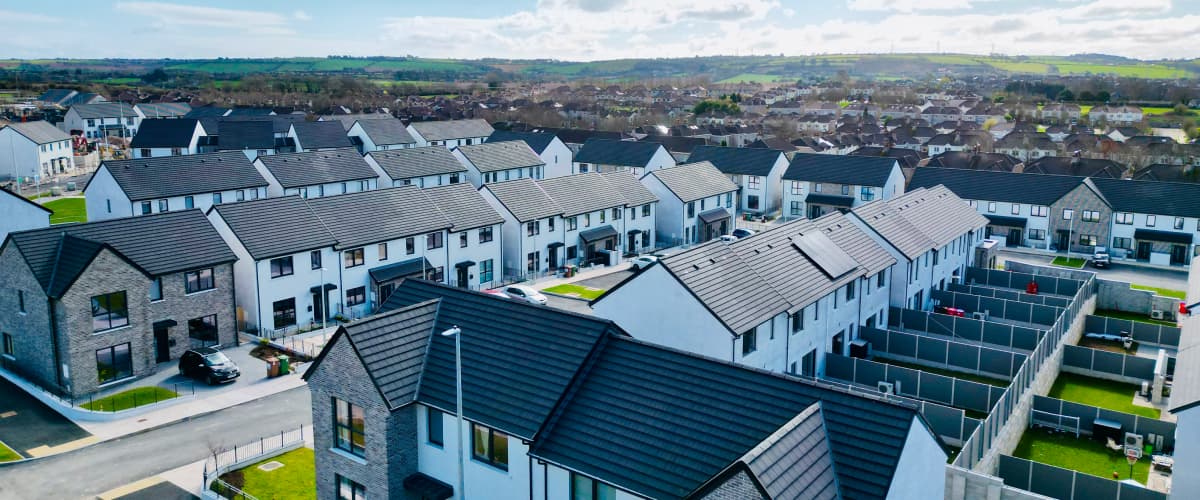
As water regulations tighten, housing developers across the UK must find practical ways to manage stormwater and reduce mains water consumption.Water butts offer a simple solution to both challenges, capturing and storing rainwater for later use while helping to manage runoff at the source.
As Sustainable Drainage Systems (SuDS) become an increasingly important consideration in new developments, water butts can provide a practical source-control measure alongside wider drainage and surface-water management strategies.
Supporting Water Efficiency in New Housing Developments
Outdoor water use can increase significantly during the summer months, with gardens, lawns and cleaning tasks all contributing to higher mains water consumption. By collecting and storing rainwater in water butts instead, developers can provide an alternative water source for these uses, helping to reduce reliance on mains water.
Simple rainwater collection and storage may also help developers support lower per-capita consumption estimates for new-build homes. For environmentally conscious homebuyers, water butts can provide a practical way to reduce household water use and potentially lower utility costs, adding tangible value at plot handover.
Supporting Flood Mitigation and Surface Water Management
During periods of heavy rainfall, traditional roof surfaces can generate large volumes of water runoff in a short space of time, straining local storm sewers.
Standard rainwater butts support rainwater collection and storage, capturing water for later use and helping to reduce reliance on mains water. Slow-release water butts can also support flood mitigation by temporarily storing rainfall and releasing it gradually to a suitable drainage or infiltration system, helping to reduce peak runoff during heavy storms.
Practical Benefits for Housing Developers
Cost-effective: A simple, lower-cost addition for small-to-medium-scale surface water management.
Easy to install: Connects directly to downpipes without the need for complex electrical systems or extensive plumbing work.
Supports sustainability: Contributes to wider sustainability and environmental building objectives.
Choosing the Right Water Butt for a New Development
Choosing the right water butt can help developers support both water efficiency and surface water management objectives. Factors such as available space, storage capacity and the wider drainage strategy should all be considered when selecting a solution for a new development.
High-capacity options may suit larger properties and gardens, while slimmer designs can help maximise space on smaller plots. Developers should also consider whether standard rainwater storage or slow-release is best suited to their requirements.
Save Water Save Money offers a range of rainwater collection and storage solutions designed for different property types and development needs. From standard water butts that support everyday rainwater harvesting to slow-release options that can contribute to wider surface water management strategies, developers can choose practical products that work at both plot and development level.
Get Started with Save Water Save Money
Water butts are no longer simply garden accessories. For housing developers, they can be a practical addition to wider water efficiency, SuDS and flood resilience strategies, supporting more sustainable developments for the future.
Looking to incorporate rainwater collection and storage into your next development? Contact Save Water Save Money to explore practical solutions for your project.